
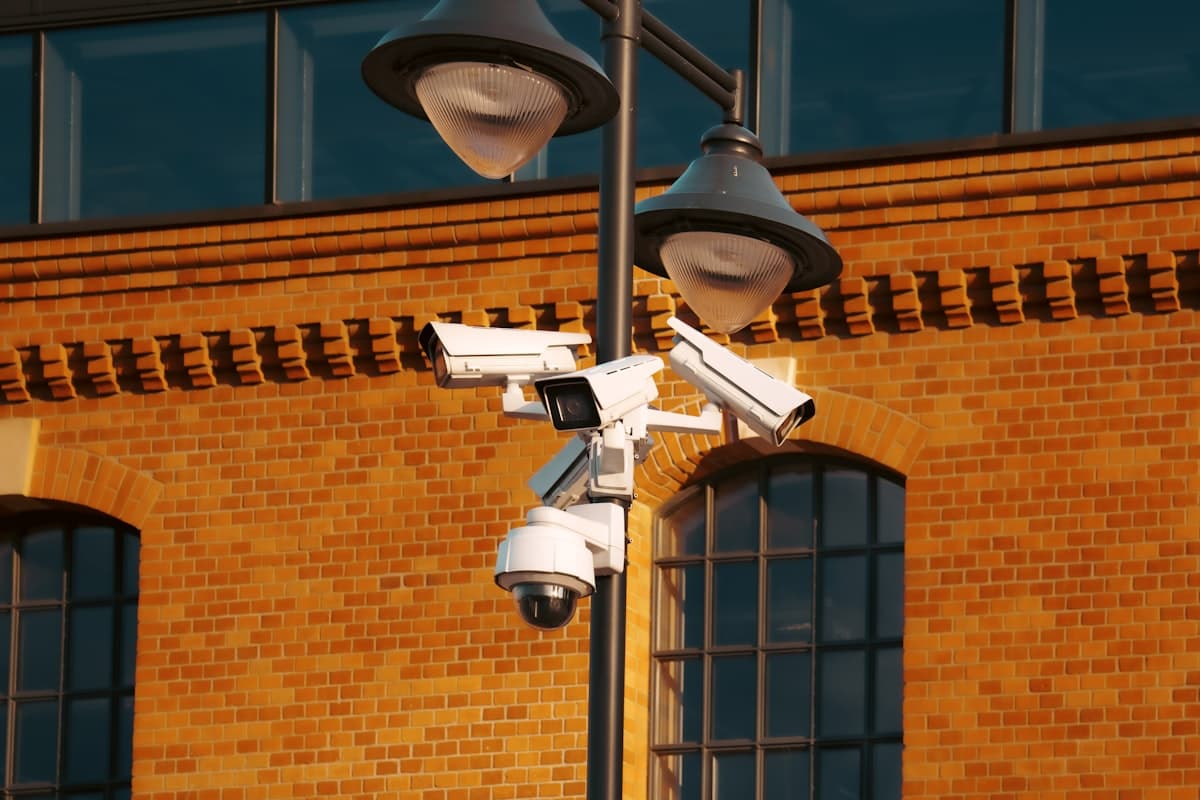
Commercial properties — office parks, shopping centres, parking structures — require constant security presence. But staffing 24/7 patrol is expensive, and human guards face fatigue, distraction, and inconsistency. Autonomous security robots offer a compelling complement to human security teams.
The Patrol Problem
A single security guard covering a large parking structure walks the same route hundreds of times per month. Fatigue sets in. Attention wanders. And the cost is significant: a full-time security guard costs £32,000–£48,000 per year before overtime, benefits, and turnover.
Meanwhile, the guard can only be in one place at a time, leaving large portions of the property unmonitored between rounds.
How Security Robots Patrol
Robots like the Ascento Guard follow pre-programmed patrol routes while continuously monitoring their environment. They combine multiple sensor types — cameras, LiDAR, thermal imaging — to detect anomalies that a human guard might miss.
When the robot detects something unusual — an unknown vehicle, a person in a restricted area, unusual noise levels — it alerts the remote monitoring team with video and sensor data. The human team then decides how to respond.
Measured Benefits
- 70% cost reduction compared to equivalent human patrol hours
- 100% route consistency — the robot never takes shortcuts or skips areas
- 24/7 operation with automatic recharging
- Deterrent effect — the visible, unusual presence of a patrol robot discourages opportunistic crime
- Data collection — every patrol generates a searchable log of video, sensor readings, and events
Where Security Robots Work Best
Security robots excel in structured outdoor environments with paved surfaces:
- Corporate campus perimeters
- Parking structures and surface lots
- Shopping centre exteriors
- Industrial parks after hours
- University campuses
They are less suited to indoor environments with stairs, tight corridors, or high foot traffic.
Integration with Human Teams
The most effective deployments use robots to handle routine patrol while human guards focus on response, access control, and interpersonal security tasks. The robot is the eyes and ears; the human is the brain and hands.